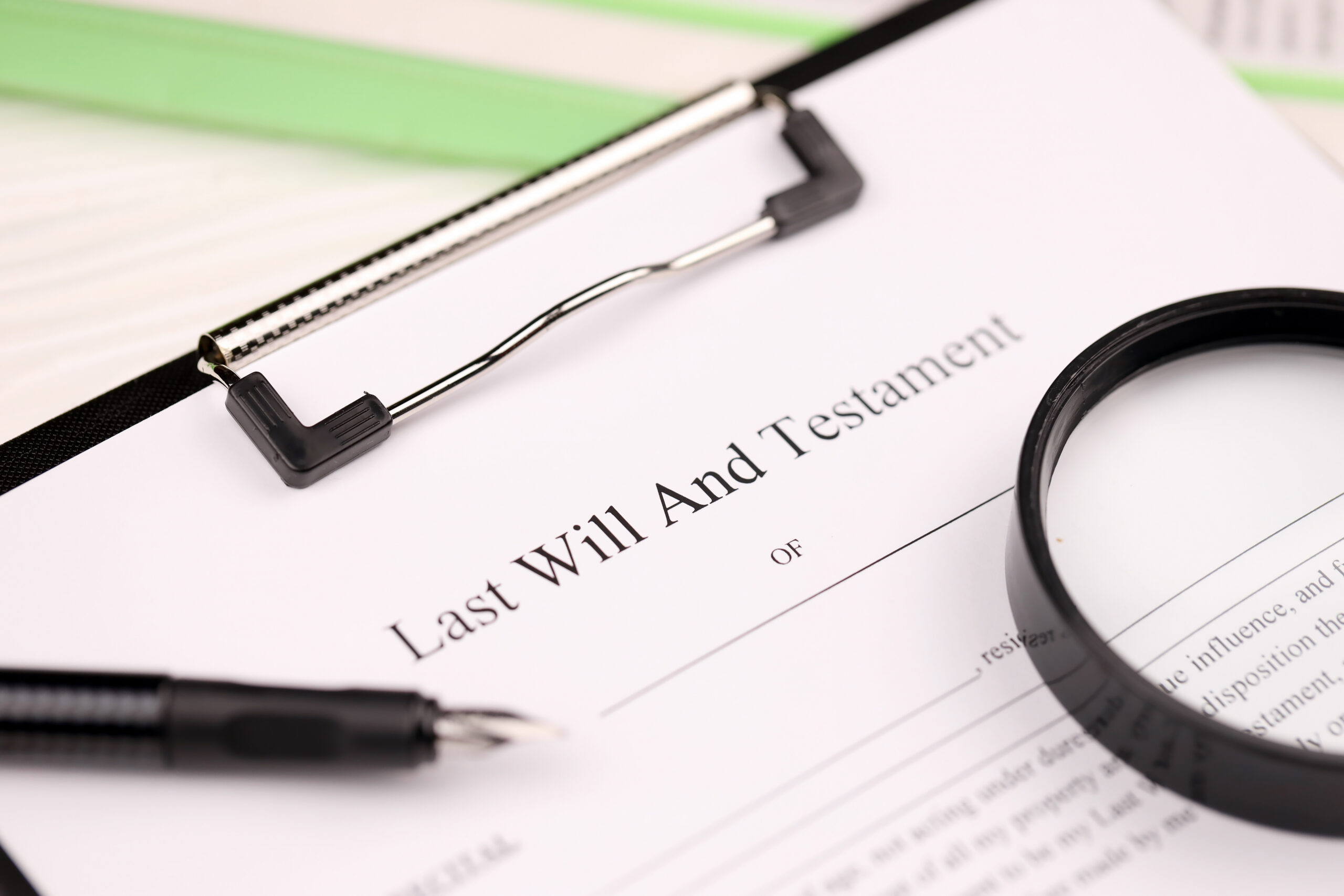
When a person dies without a valid will, the person is said to have died intestate. In that situation, Utah law determines who receives the person’s property, who has priority to administer the estate, and how the estate will be distributed. Dying without a will does not mean that the State automatically receives the estate, but it does mean that the decedent’s personal wishes may not control.
Intestate Succession: Utah’s Default Estate Plan
A will allows a person to choose beneficiaries, nominate a personal representative, name guardians for minor children, and create trusts for beneficiaries who should not receive property outright. Without a will, those decisions are made under Utah’s intestate succession statutes.
Utah’s intestacy rules apply only to property that is part of the probate estate.
Which Assets Are Affected?
When someone dies without a will, the first step is to determine what property is actually subject to probate. Not all property passes through the probate estate.
Common non-probate assets may include:
- Joint tenancy property passing to the surviving joint tenant;
- Life insurance proceeds payable to a named beneficiary;
- Retirement accounts with beneficiary designations;
- Bank or brokerage accounts with payable-on-death beneficiaries;
- Transfer-on-death securities or real estate, if properly designated; and
- Assets held in a properly funded trust.
By contrast, property titled solely in the decedent’s individual name, with no beneficiary designation and no survivorship arrangement, will generally be subject to probate and distributed under Utah intestacy law.
Who Inherits Under Utah Intestacy Law?
Utah’s intestacy rules depend on the decedent’s family circumstances.
If the decedent was married and had no descendants, or if all of the decedent’s descendants are also descendants of the surviving spouse, the surviving spouse generally receives the entire intestate estate.
If the decedent was married and had children who are not also the children of the surviving spouse, the surviving spouse receives the first $75,000 (as adjusted for inflation) plus half of the estate. The decedent’s children will get the other half. This situation commonly arises in blended families, second marriages, or where the decedent had children from a prior relationship.
If the decedent was not married, the estate generally passes first to descendants. If there are no descendants, it may pass to parents, then to siblings or descendants of siblings, and then to more remote relatives under Utah’s statutory order of inheritance.
The Court Appoints a Personal Representative
A will typically nominates a personal representative to administer the estate. Without a will, the court must appoint someone under statutory priority rules.
The order of the preference is as follows:
- A person nominated by a will;
- The surviving spouse;
- Other heirs; and
- Creditors
The personal representative is responsible for tasks such as:
- Collecting and identifying estate assets;
- Filing probate documents;
- Giving required notices;
- Paying valid debts, expenses, and taxes;
- Resolving creditor claims;
- Accounting for estate property; and
- Distributing the remaining estate to heirs.
When there is no will, family members may disagree over who should serve. This can delay administration and increase the likelihood of litigation.
Probate May Still Be Required
Dying without a will often requires probate if the decedent owned assets in the decedent’s sole name, especially real property. Probate is the court-supervised process for appointing a personal representative, determining heirs, resolving creditor claims, and transferring property.
Utah probate is often considered less burdensome than probate in some other states, but it can still involve delay, expense, court filings, and public records. A will does not avoid probate, but it gives instructions for the probate process. A properly funded revocable trust, beneficiary designations, and other non-probate arrangements may reduce or avoid probate for certain assets.
Small Estates May Qualify for an Affidavit Procedure
In Utah, if the estate is small enough and does not include real estate, formal probate may not be necessary. A small estate affidavit may allow heirs or successors to collect property without opening a full probate proceeding. The Utah estate planning materials describe this procedure as available where the decedent owned less than $100,000 and no real estate. A family member can use the affidavit to collect property, sell property, and manage the estate.
Minor Children: Guardianship Concerns
One of the most significant consequences of dying without a will is the failure to nominate a guardian for minor children. A will is commonly used to state who should care for minor children if both parents are deceased or unavailable.
Without a nomination, the court must determine who should serve as guardian. The court will consider the child’s best interests, but the absence of written guidance from the parent can create uncertainty and conflict among relatives. At a minimum, parents with minor children should generally have a will that nominates guardians.
Minor Beneficiaries and Inherited Property
If minor children inherit under intestacy, they generally cannot take direct control of the inherited assets. A court supervised conservatorship, custodial arrangement, or other mechanism may be required to manage the property until the child reaches the applicable age.
This can be very different from a planned trust structure. With a trust, a parent can specify who manages the inheritance, when distributions may be made, and whether assets should be held beyond age 18 or 21 for education, housing, health, support, or other purposes.
Unmarried Partners and Non-Family Members Usually Receive Nothing
Intestacy law favors legally recognized family relationships. An unmarried partner, close friend, stepchild not legally adopted, charitable organization, or caregiver generally will not inherit unless there is a valid will, trust, beneficiary designation, joint ownership arrangement, or other legally effective transfer mechanism.
This is one of the most important reasons to have an estate plan if the intended beneficiaries differ from Utah’s default intestacy scheme.
Family Conflict Can Increase
A will or trust can reduce uncertainty by identifying beneficiaries, fiduciaries, and distribution terms. Without those instructions, disputes may arise over:
- Who should administer the estate;
- Whether certain property was intended as a gift;
- How personal property should be divided;
- Whether lifetime transfers were advancements;
- Who should care for minor children;
- Whether a surviving spouse or children should receive particular assets; and
- Whether non-probate beneficiary designations reflect the decedent’s actual wishes.
Even where Utah law provides a clear answer, family members may perceive the result as unfair or contrary to what the decedent “would have wanted.”
Debts and Expenses Are Paid Before Heirs Receive Property
Dying without a will does not eliminate debts. The estate remains responsible for valid creditor claims, administrative expenses, taxes, and other enforceable obligations. Heirs receive only what remains after proper estate obligations are addressed.
A personal representative must therefore determine the estate’s assets and liabilities before making final distributions.
Conclusion
When someone dies without a will in Utah, state law supplies the estate plan. Probate assets are distributed under intestate succession rules, the court appoints a personal representative, and the court may need to address guardianship or property management issues for minor children. While Utah’s default rules may produce an acceptable result in some simple family situations, they often fail to account for blended families, unmarried partners, minor beneficiaries, charitable intentions, privacy concerns, and individualized wishes.
A valid estate plan allows a person to replace the statutory default rules with deliberate instructions tailored to family, property, and long-term planning goals.